
US greenlights potential $4.5B sale of four KC-46A refueling aircraft to Qatar
“The proposed sale will increase Qatar’s capability to meet current and future threats by enhancing its defense capabilities," the US State Department said.
“The proposed sale will increase Qatar’s capability to meet current and future threats by enhancing its defense capabilities," the US State Department said.

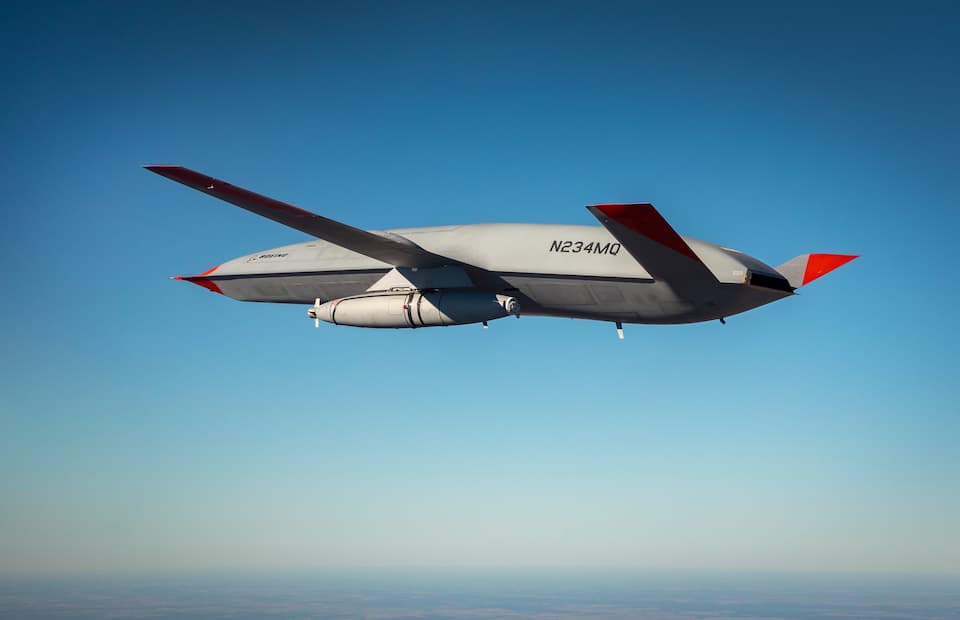
Boeing’s KC-46A and MQ-25 Stingray demonstrate next-generation capabilities that are transforming the role of the tanker.

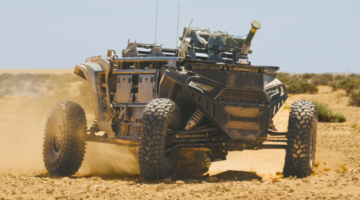
One commander, many robots: Fully autonomous ground vehicles are reshaping the battlefield.

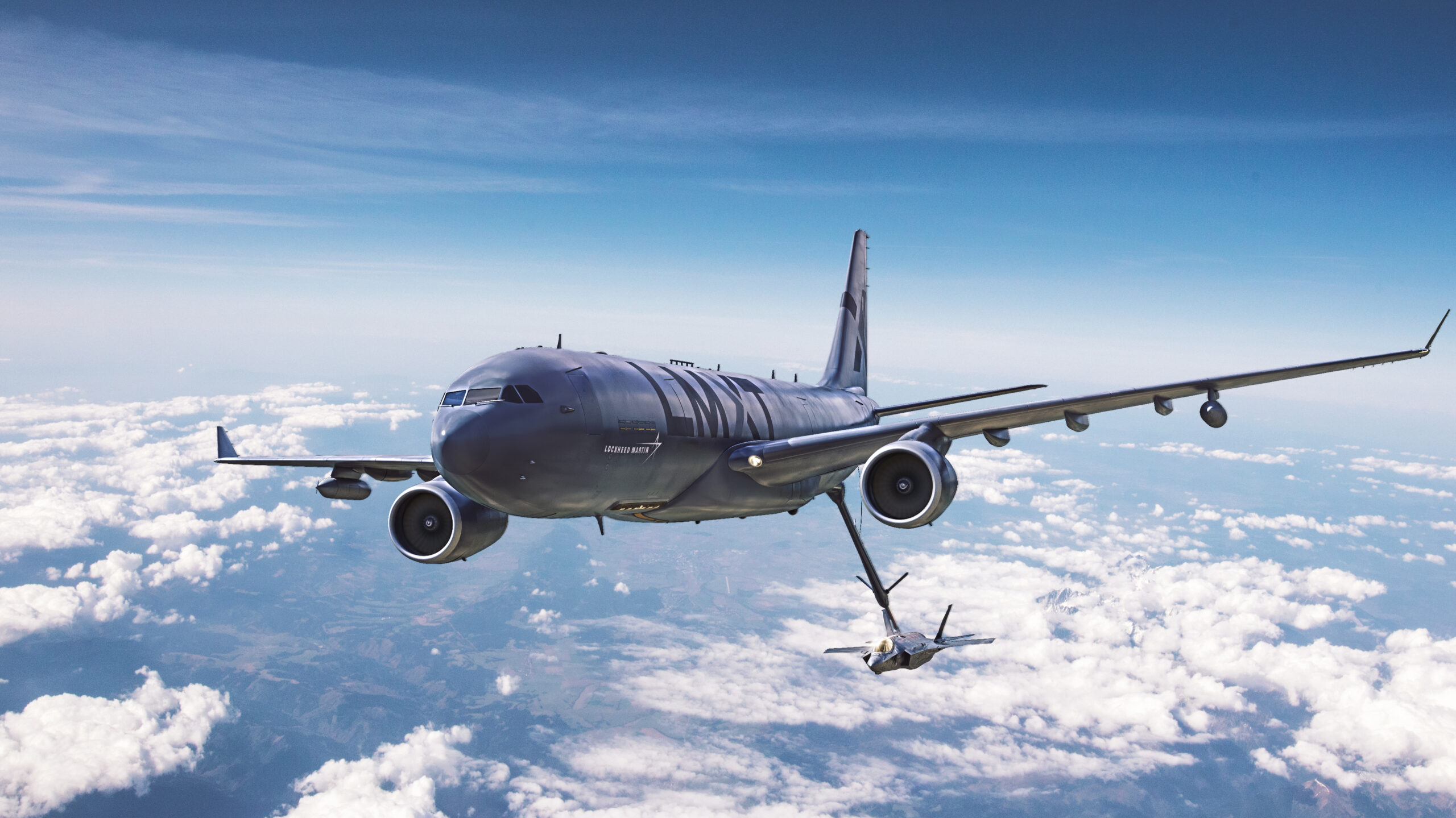
“Future refueling operations with the LMXT boom offer a number of possibilities and that future is not far off,” said Ken Moss, a retired U.S. Air Force tanker pilot and Lockheed Martin’s LMXT campaign manager.

“Without taking these steps prior to closing the preliminary design review, the program may accept a remote vision system design that contains immature technologies and greater risk of cost and schedule growth,” the Government Accountability Office states in its report.

A new report by the Hudson Institute projects the Pentagon is liable to be outdone by China if it fails to more heavily invested in the Air Force's aerial refueling capabilities.

Offered in response to the Air Force’s KC-Y Program, Lockheed Martin’s American-built LMXT offers impressive capabilities and proven track-record.

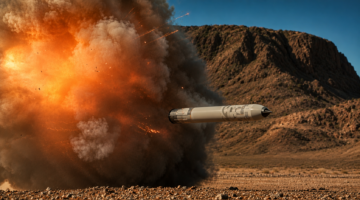
The goal of such weaponization is to tie warfighter needs to the RDT&E cycle.

TRANSCOM can now task KC-46 tankers to use their air refueling boom to fill up C-17 Globemaster III, B-52H Stratofortress and other KC-46 aircraft during day-to-day operations.
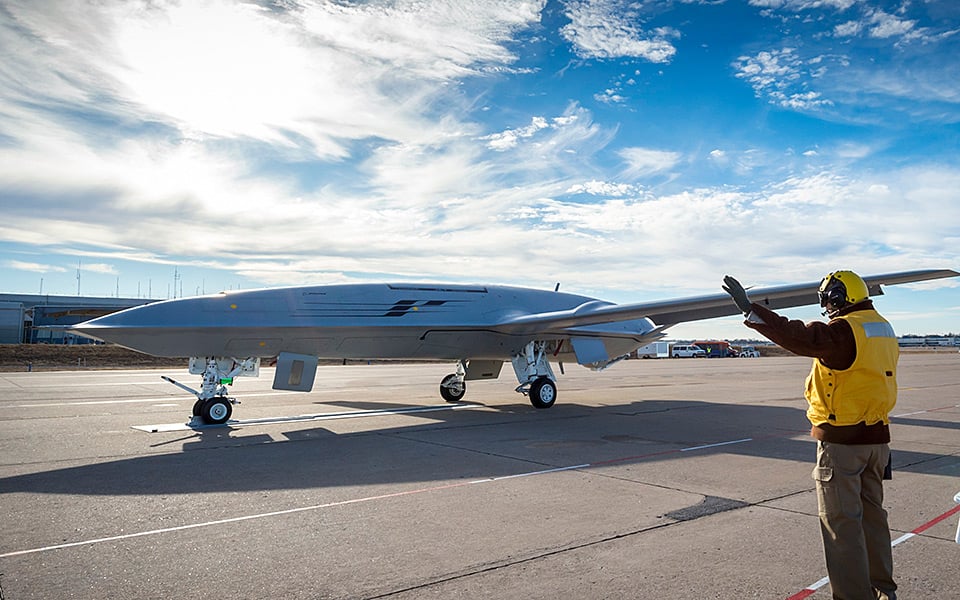
The premise of Boeing’s demonstration is simple, but it is aimed at the heart of many of the operational concepts and environments Pentagon leaders have discussed in recent years.

The Navy’s MQ-25 Stingray prototype successfully refueled a Navy Super Hornet fighter in mid-air during a Friday test.

ABOARD THE USS ABRAHAM LINCOLN: The Navy dragged its feet for years after committing to buy the F-35C for carrier operations. They worried it would be too expensive to maintain. They worried the tailhook problems would persist. They worried it was too heavy. Let’s face it: the Navy leadership was just worried. After all, they […]

APKWS® laser‑guidance kit provides reliable precision‑guided munitions across missions and platforms, delivered quickly to meet evolving operational demands.
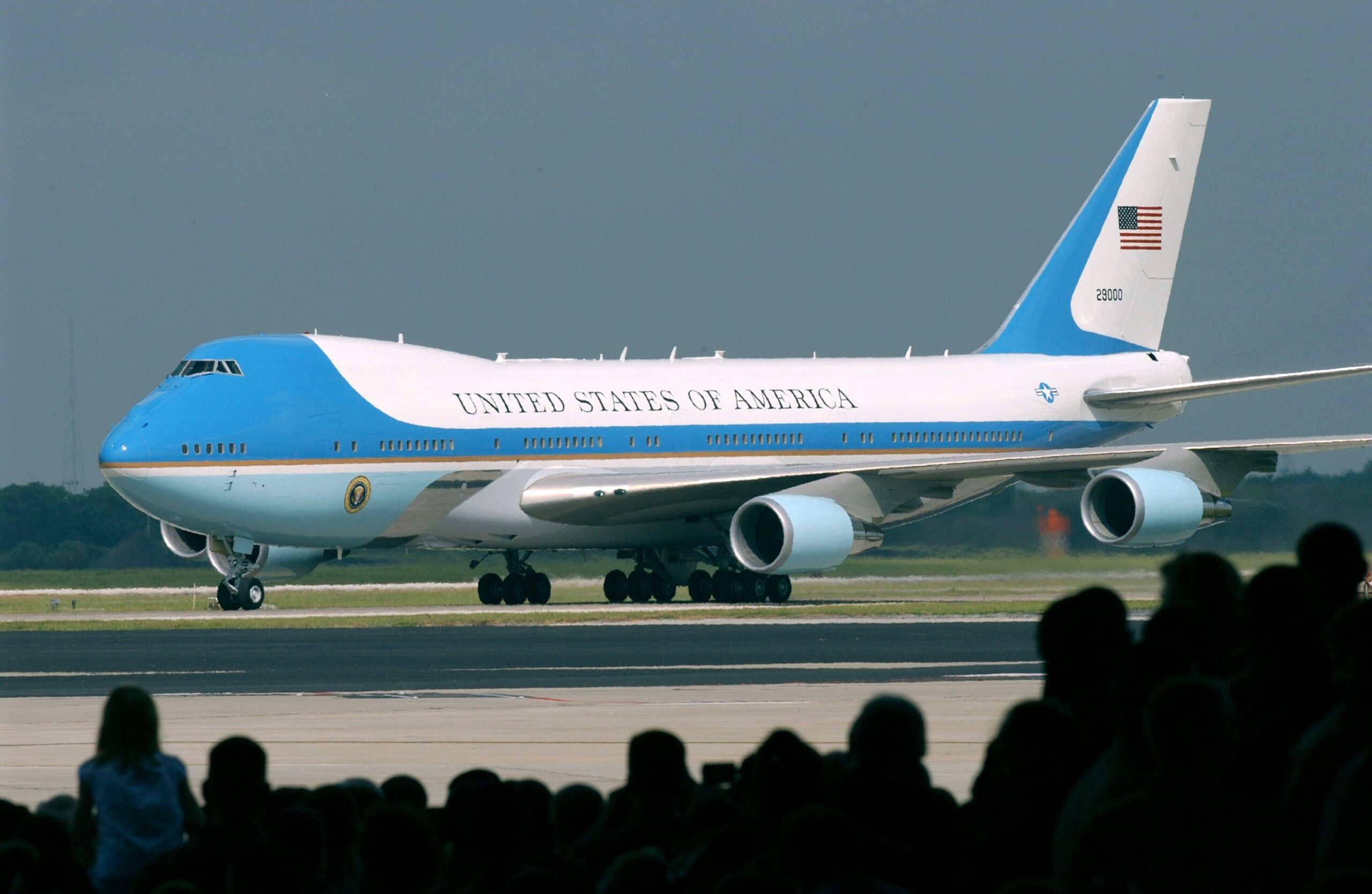
WASHINGTON: Gen. Joe Dunford, chairman of the Joint Chiefs, told the Senate Armed Services Committee today that the White House had decided not to include aerial refueling as a capability for the next Air Force One fleet. Why? To save money. President Donald Trump has apparently made the decision, reflected by this decision and the […]